How to Catch Blue Catfish
Best places, best times, and expert guides for blue catfish fishing.
Featured Blue Catfish Guides
Expert captains ready to take you on your next Blue Catfish adventure.
Lake Tawakoni Fishing Guide Thunder Cove Guide Service
Please view the Rates for Lake Tawakoni Fishing Guide Tony Pennebaker. The premier Blue Catfish Guide on Lake Tawakoni and catches year-round.
Lake Tawakoni Fishing Guide / Trophy Catfishing / Whisk’ Fish’N
Lake Tawakoni Fishing Guide, James Evans puts Trophy Blue Catfish in the Net! Hire the best Blue Catfish Guide on Lake Tawakoni; James Evans.
Michael Littlejohn's Lake Tawakoni Guide Service
Official Fishing Guides on Lake Tawakoni. Tawakoni Guide Service, Lake Tawakoni's Premier and Largest Blue Catfish and Striper Guide Service. Striper Guide, Monster Trophy Catfish Guide and Crappie Guide Home of the Lake Record
North Texas Catfish Guide Service
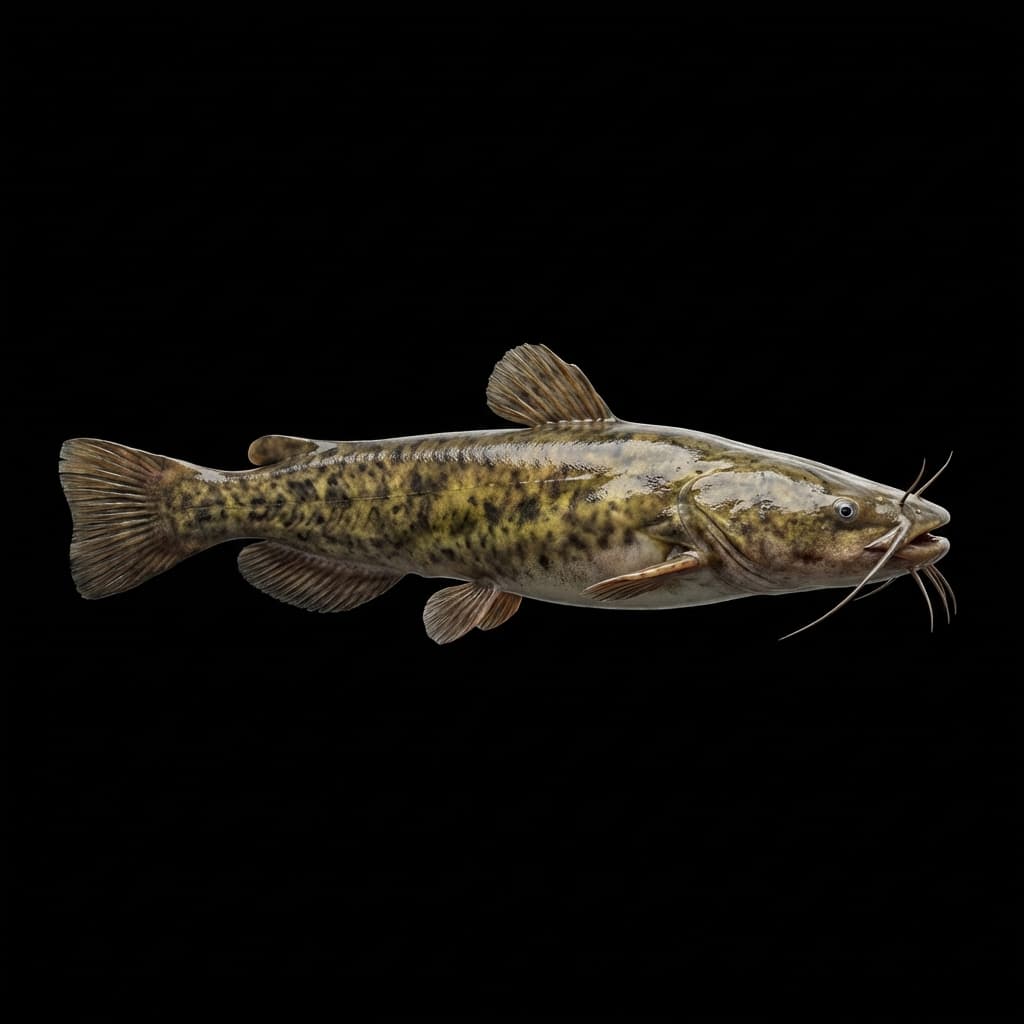
Catfish guide service for blue catfish, channel catfish and flathead catfish on North Texas area lakes.
Plan a Blue Catfish Fishing Trip
Find the best times and places to catch Blue Catfish, and get matched with experienced guides.
Best Time to Catch Blue Catfish
Peak months for Blue Catfish fishing across the US.
Best Places to Catch Blue Catfish
Top 5 cities ranked by guide availability and species data quality.
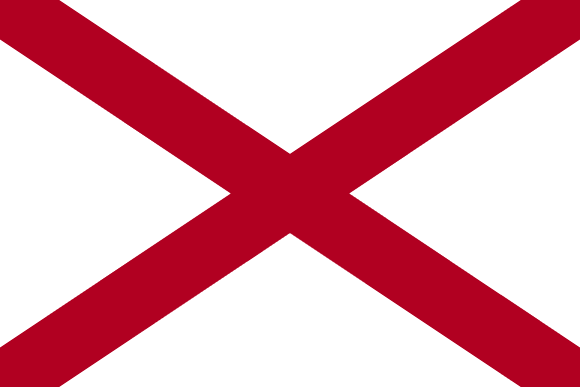
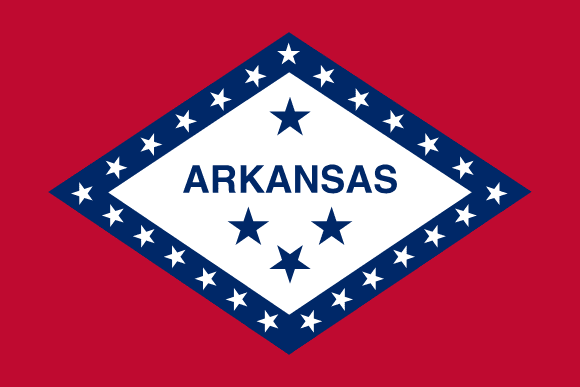
States Where Blue Catfish Are Found
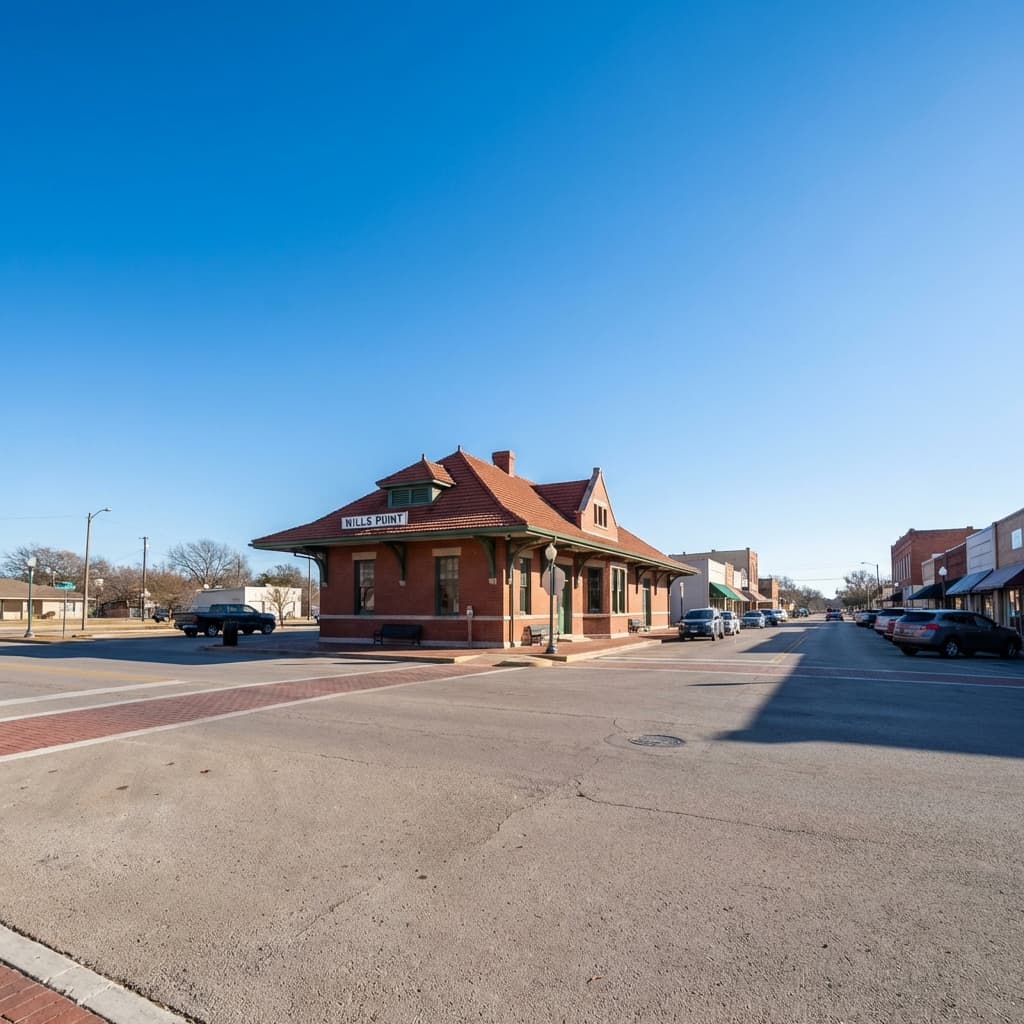
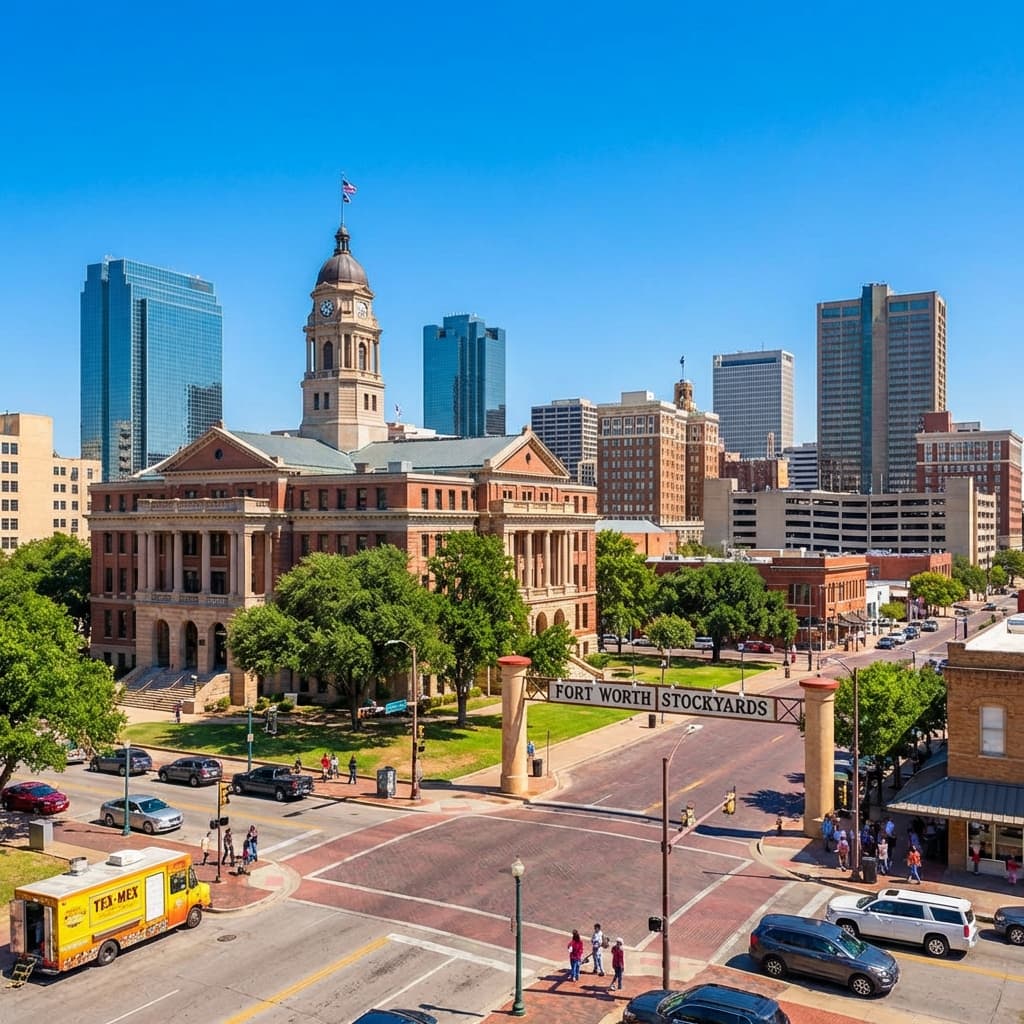
Top Locations for Blue Catfish
Seasonal Activity Chart
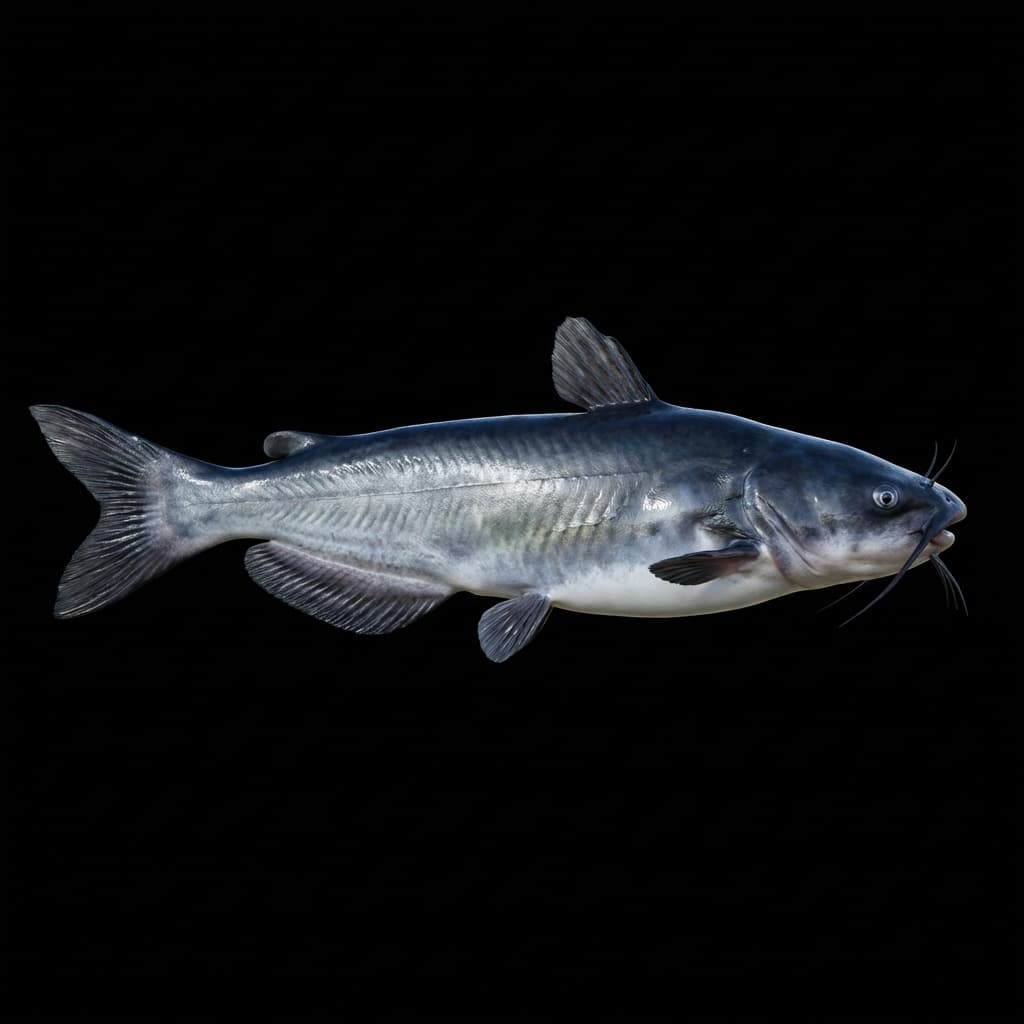
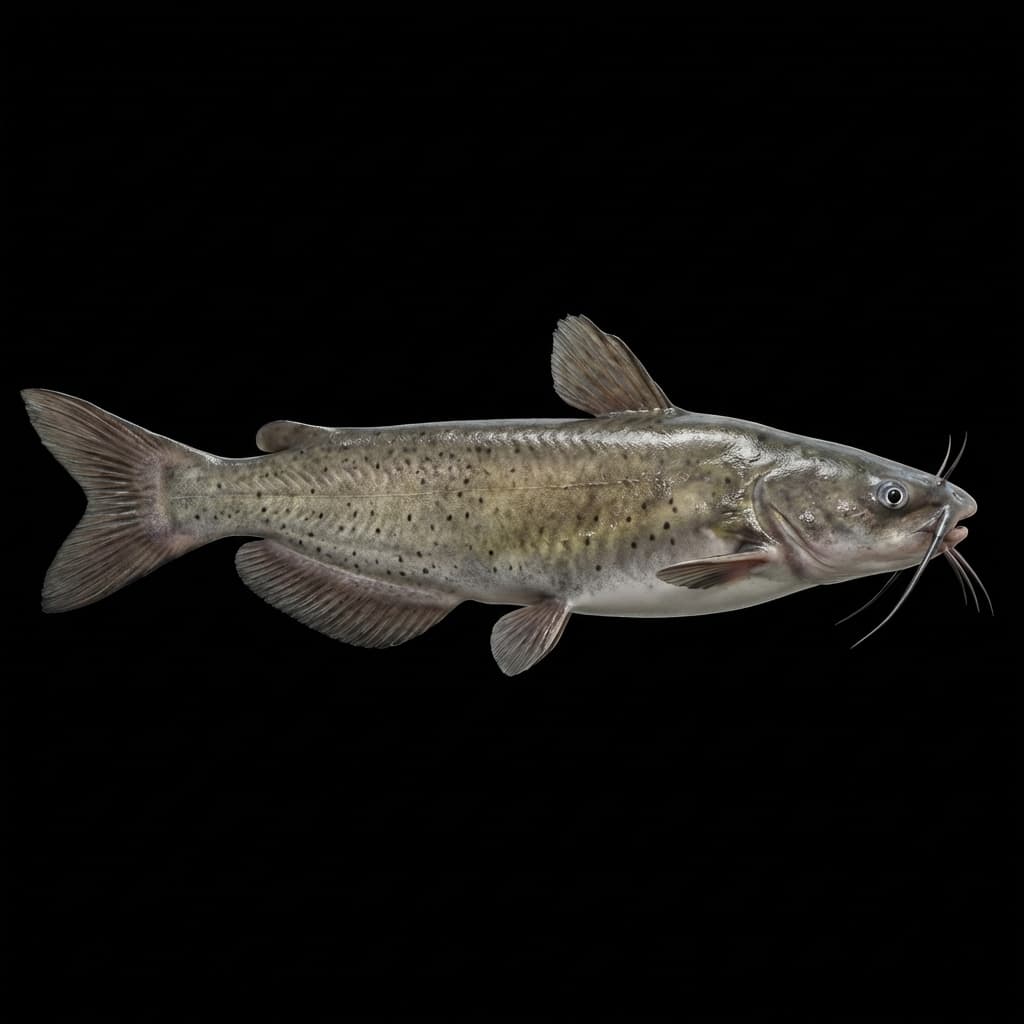
Blue Catfish
Ictalurus furcatus
Also known as: Forktail Cat, Hump-back Blue
The Blue Catfish is a prized freshwater gamefish renowned for its impressive size and delicious flavor. As one of the largest catfish species in North America, it's a thrilling target for anglers seeking a trophy catch. Found primarily in major river systems like the Mississippi, Missouri, Ohio, and their tributaries, as well as large reservoirs and lakes across the central and southern United States, the Blue Catfish offers a unique angling experience compared to its smaller cousins. Its potential for reaching enormous sizes makes it a bucket-list fish for many freshwater anglers.
Several effective techniques can be used to target Blue Catfish. Bottom fishing with heavy tackle is a classic approach, using sinkers to keep large cut bait, such as skipjack herring, shad, or even whole sunfish, on the bottom in areas with strong current. Drift fishing allows you to cover more ground, presenting bait to catfish holding in deeper channels and along ledges. Jug fishing, using floating jugs with baited hooks suspended beneath, is popular in some regions. Trotlining, a method of setting a long line with multiple baited hooks, can also be effective, but it's important to check local regulations regarding its legality. Heavy rods and reels spooled with at least 50-pound test line are essential for landing these powerful fish.
Blue Catfish fishing is often best during the spring and fall months when water temperatures are moderate. During the spring spawning season, they can be found in shallower waters near structure, while in the fall, they tend to move into deeper channels and holes as they prepare for winter. In the summer, fishing at night can be particularly productive as the catfish become more active in the cooler temperatures. Tailwater areas below dams are also known to hold large Blue Catfish due to the consistent flow of water and abundance of forage.
For those new to Blue Catfish fishing, start by targeting areas with known catfish populations, such as Memphis, Tennessee on the Mississippi River or Shreveport, Louisiana on the Red River. Focus on identifying areas with current breaks, deep holes, and structure like fallen trees or rock piles. Don't be afraid to experiment with different baits and presentations to see what works best in your local waters. Consulting with local tackle shops and experienced anglers can provide valuable insights and increase your chances of landing a trophy Blue Catfish.
How to Catch Blue Catfish
Frequently Asked Questions
When is the best time to catch Blue Catfish?
Across the US, the best months for Blue Catfish are generally May, June, July, though timing shifts by state.
Where can you catch Blue Catfish in the US?
Blue Catfish is found in 9 states, including Alabama, Arkansas, Kentucky, Louisiana, Mississippi, Missouri. Pick a state to see local guides and regulations.
Is Blue Catfish a freshwater or saltwater fish?
Blue Catfish is a freshwater species. Look for it in lakes, rivers, and reservoirs.
What else is Blue Catfish called?
Blue Catfish (Ictalurus furcatus) is also known as Forktail Cat, Hump-back Blue.